
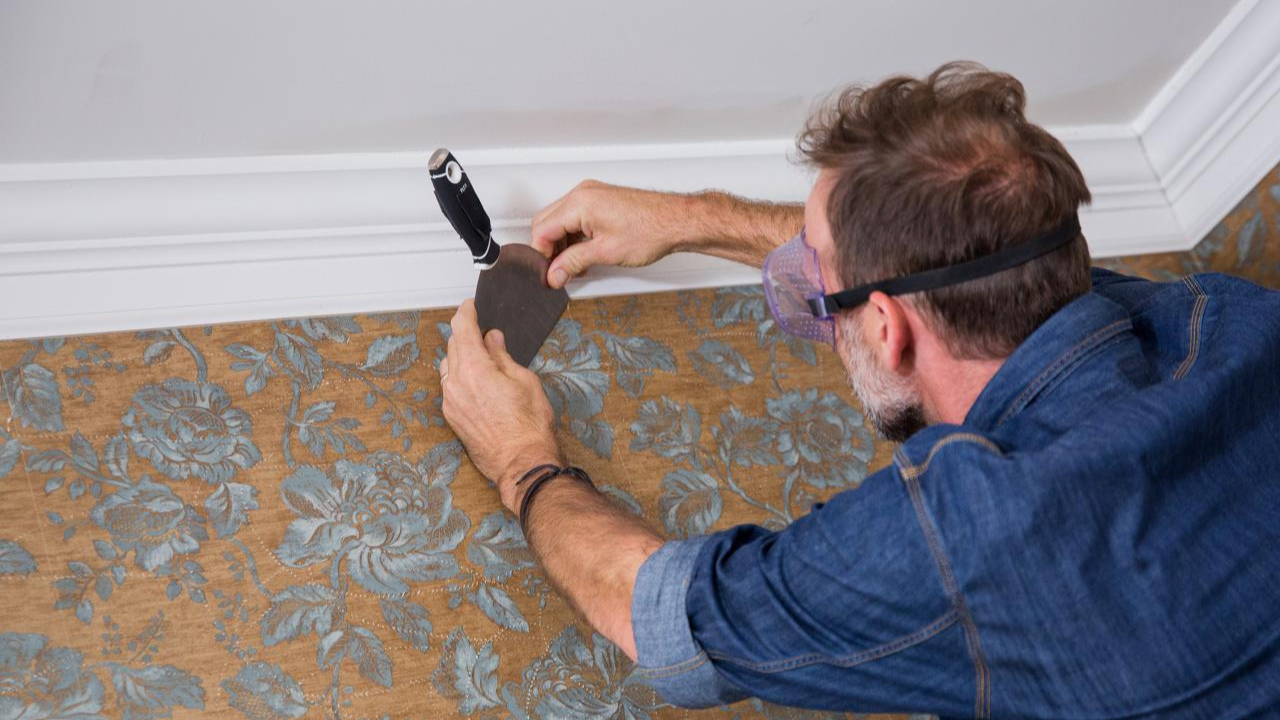
If you want to know how to paint over wallpaper, the most important step is deciding whether the wallpaper is actually suitable for painting. Wallpaper can be painted successfully when it is firmly attached, clean, dry, smooth, and free from major bubbling or peeling. However, loose, textured, fabric-backed vinyl, moldy, or badly damaged wallpaper should usually be removed before painting.
Painting over wallpaper can save time and help avoid drywall damage, but only if the surface is prepared correctly.
Should You Paint Over Wallpaper or Remove It?
Many homeowners assume wallpaper must always be removed before painting. In a perfect situation, removal is often the best long-term option. However, wallpaper removal is not always simple. Older wallpaper may be strongly bonded to drywall, and aggressive scraping can tear the wall surface underneath.
This is why painting over wallpaper can sometimes be the smarter choice. If the wallpaper is in good condition and removal would damage the wall, painting over it may create a cleaner and faster transformation.
Professional painters usually inspect the wallpaper first before making a decision. If the paper is peeling in large areas, bubbling heavily, or showing signs of moisture or mold, paint will not solve the problem. In those cases, removal and wall repair are usually better.
Check the Wallpaper Condition First
Before you begin, inspect the walls carefully under good lighting. Look around corners, windows, doors, baseboards, outlets, and seams because these are the areas where wallpaper often starts lifting first.
Small loose edges can usually be glued back down. Small bubbles may sometimes be cut carefully and repaired. Minor dents or holes can be filled and sanded smooth. However, if the wallpaper is coming away in large sections, painting over it will likely create more problems later.
This is where experienced house painters charlotte nc can help homeowners decide whether painting or removal is the better option.
Know What Type of Wallpaper You Have
Not all wallpaper reacts the same way to primer and paint. Paper wallpaper and paper-backed vinyl wallpaper in good condition are usually the best candidates for painting.
Some wallpapers are more difficult. Heavily textured wallpaper may still show its pattern after painting. Fabric-backed vinyl, coated peel-and-stick wallpaper, and some glossy vinyl wallpapers may not allow paint to bond properly. Certain vinyl wallpapers can also create a sticky or tacky finish if plasticizers migrate into the paint film.
This is one of the biggest details homeowners miss. The wall may look fine right after painting, but problems can sometimes appear days or weeks later if the wallpaper material is not compatible with paint.
Clean the Wallpaper Carefully
Wallpaper must be clean before primer or paint is applied. Dust, oils, smoke residue, grease, and grime can prevent primer from bonding properly.
Use a lightly damp cloth and mild cleaner if needed, but avoid soaking the wall. Too much water can soften wallpaper adhesive and cause seams to lift. After cleaning, allow the wallpaper to dry fully before moving forward.
Kitchens, bathrooms, and older rooms may need extra cleaning because these spaces often collect more residue over time.
Repair Loose Seams and Edges
Seams are one of the most important parts of the job. If paint or primer gets under a loose seam, the wallpaper may curl, bubble, or peel after painting.
Glue down any loose edges using wallpaper adhesive. Press the seam flat and give it enough time to dry fully. For stubborn seams, apply adhesive to both sides, wait until it becomes tacky, then press or roll the seam firmly into place.
Some professionals also use a very thin bead of paintable caulk where wallpaper meets trim, baseboards, corners, or ceilings. This helps reduce the chance of peeling around the edges.
Fill Holes, Dents, and Imperfections
Fresh paint does not hide wall damage as well as many people expect. In fact, paint can make dents, seams, and raised areas more noticeable.
Fill small holes, dents, and damaged areas with a suitable filler or joint compound. Once dry, sand the repaired areas lightly with fine sandpaper, such as 220 grit, until smooth. Wipe away sanding dust completely before priming.
When filling holes in wallpaper, avoid creating a raised lump. The repair should blend smoothly into the surrounding surface.
Prime the Wallpaper Properly
Primer is the most important step in how to paint over wallpaper successfully.
Do not apply standard wall paint directly over wallpaper. Paint contains moisture, and that moisture can loosen wallpaper adhesive. This may cause bubbling, peeling, or curling seams.
Oil-based primer or a specialty wallpaper sealer is usually preferred because it seals the wallpaper and creates a stable base for paint. Water-based primers can sometimes reactivate wallpaper glue, especially if the wallpaper is older or poorly bonded.
Primer also helps hide patterns, stains, pen marks, crayon marks, and discoloration. If the wallpaper has stains, use a stain-blocking primer before applying finish paint.
Smooth the Seams for a Better Finish
Even when wallpaper is firmly attached, seams may still show after painting. If you want a smoother finish, you may need to skim over the seams with joint compound.
Apply a thin coat over the seam, let it dry, then sand it smooth. Do not apply too much compound because heavy buildup creates more sanding work and may leave visible ridges.
After sanding, wipe away all dust and apply primer over the repaired areas again. This helps prevent flashing, which happens when repaired sections absorb paint differently than the surrounding wall.
Apply the Paint
Once the primer is fully dry, you can paint the wallpaper using quality interior wall paint. Start by cutting in around ceilings, corners, trim, and baseboards with a brush. Then use a roller for the larger wall areas.
Apply paint evenly and avoid heavy coats. Two thin coats usually look better and last longer than one thick coat. If the wallpaper has a dark color or strong pattern, a second coat will almost always be needed for proper coverage.
Allow the first coat to dry completely before applying the next coat. Rushing this step can lead to uneven sheen, tackiness, or poor adhesion.
When Painting Over Wallpaper Is a Bad Idea
Painting over wallpaper is not always the right choice. You should usually avoid it when the wallpaper is loose across large areas, heavily textured, moldy, water damaged, greasy, or made from material that resists paint adhesion.
You should also think carefully if you plan to remove the wallpaper later. Once wallpaper has been primed and painted, it becomes much harder to remove. Paint seals the surface, making wallpaper stripper less effective.
So while painting over wallpaper can be convenient, it should be treated as a long-term decision rather than a temporary fix.
Common Mistakes to Avoid
The biggest mistake is painting directly over wallpaper without proper primer. This often causes bubbling, peeling, or uneven results.
Another common mistake is ignoring loose seams. Even small lifting edges can become larger problems after paint is applied. Homeowners also sometimes use too much water while cleaning, which weakens the adhesive underneath.
Skipping repairs is another issue. Holes, dents, seams, and texture will not disappear under paint. Good preparation is what makes the finished wall look clean and professional.
Should You Hire Professional Painters?
Painting over wallpaper takes more judgment than painting a normal wall. You need to know whether the wallpaper is stable, what type of primer to use, how to handle seams, and when removal is the better option.
Professional painters can inspect the wallpaper, repair problem areas, seal the surface properly, and apply the right finish for the room. This is especially helpful in older homes where wallpaper may have been installed over delicate drywall or plaster.
Century Painting & More proudly serves homeowners in Charlotte, NC and surrounding areas with professional interior painting services. Our team can help determine whether your wallpaper should be removed or painted over, then complete the project with the right preparation and care.
Final Thoughts
Learning how to paint over wallpaper comes down to one main point: preparation matters more than paint. The wallpaper must be clean, dry, secure, smooth, and properly sealed before any finish coat is applied.
When done correctly, painting over wallpaper can refresh an outdated room, protect the drywall underneath, and save the mess of full wallpaper removal. When done poorly, it can lead to bubbling, peeling, visible seams, and uneven results.
If you are unsure whether your wallpaper is suitable for painting, it is always better to get a professional opinion first. How to paint over wallpaper successfully depends on choosing the right approach before the project begins.