🎁✨Christmas Special! Enjoy 10% OFF This Festival Season 🎁

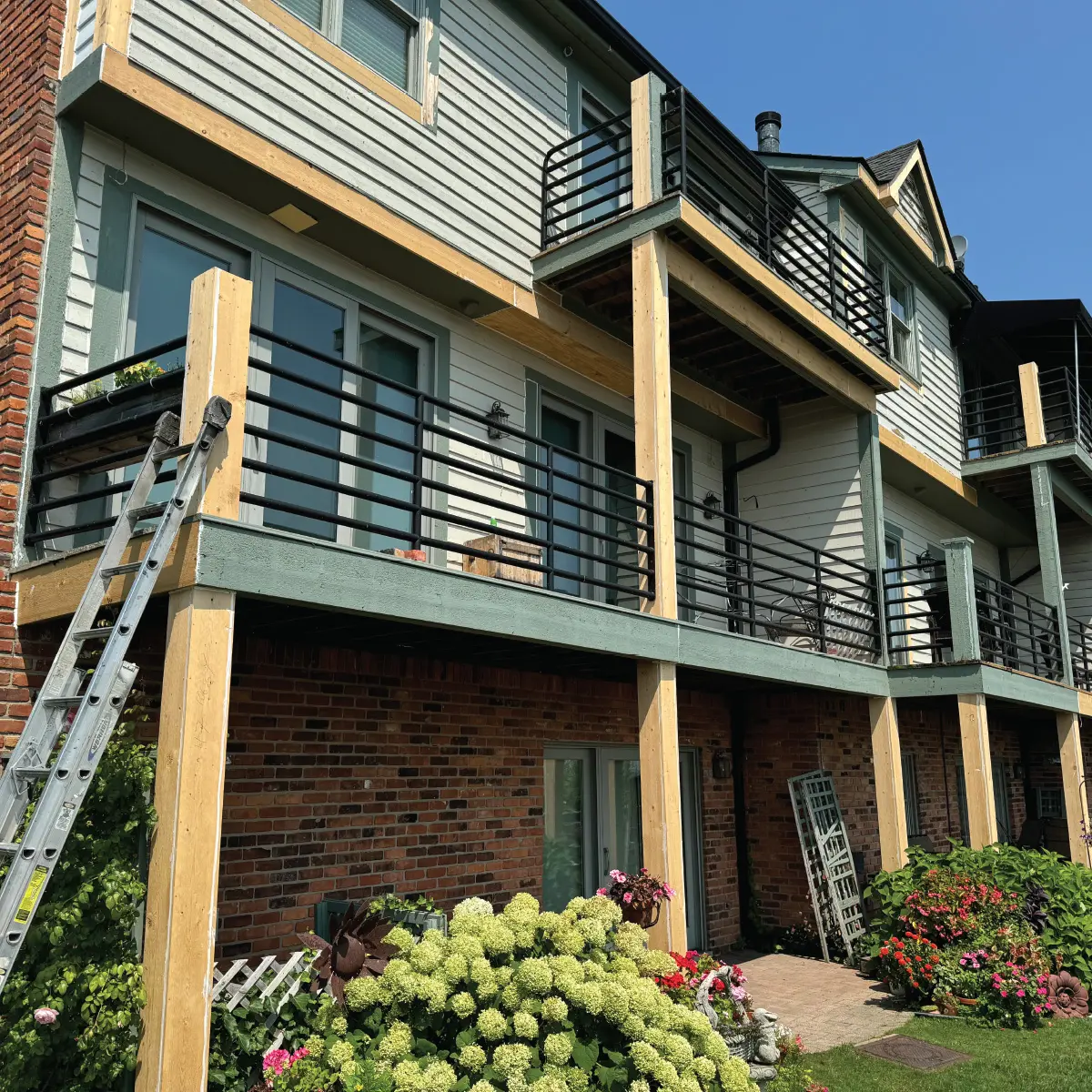
It may seem bewildering to select between exterior and interior painting. Many homeowners often wonder: Can they use the same paint for both areas? Or do the labels really matter? The simple answer is yes, the distinction matters greatly.
Interior and exterior paints are not interchangeable, and selecting the wrong type can result in peeling or fading paint and pose physical hazards.
Homeowners usually learn this the hard way when their walls chip prematurely or their outdoor surfaces fade within one season. This often results in time and revenue lost, especially on larger exterior or interior projects.
In this article, you’ll find out about the primary differences between exterior – interior painting, how they function, where each should be used and how to know if one or the other is right for your home.
Paint does more than just bring the color. It also protects your home.
Interior paints shield your walls from spills, dirt, and everyday usage. Exterior paint shields your siding from rain, snow, heat, cold, and the sun.
The use of the appropriate paint contributes to the longevity of the surface. It’s also better for indoor air quality. Most significantly, it saves you the expense of repainting in the future.
In order to understand the distinction more clearly, let’s break down what each paint has to offer first. The following are the most important features of interior paint:
Interior paint is formulated with low- or zero-VOC formulas. VOCs are substances that can produce strong odors and impact indoor air quality.
Paint used inside needs to be safe for people to breathe, particularly in spaces with poor ventilation. These low odor paints are more environmentally friendly and less harmful to you and your family.
Interior paint focuses on creating a smooth and attractive finish. It is designed for easy cleaning.
Most formulations are resistant to stains, scuffs and fingerprints. This is what makes them ideal for heavily trafficked spaces. Some paints are even washable, making cleaning walls as easy as an occasional wipe-down.
This paint is perfect for interior walls, ceilings, wood trims, and interior doors. You can use it in bedrooms, living rooms, hallways, kitchens and bathrooms. For kitchens and bathrooms, moisture-resistant interior paint is a great choice.
Exterior paint plays an important role in protecting the walls. It provides:
Exterior paint is known for being durable against outdoor conditions. It has elements that protect against harmful UV rays and minimize fading.
It’s flexible, too; it can expand and contract with temperature fluctuations. This flexibility also helps it avoid cracking and peeling.
It has additives in it to help combat mold, mildew, and algae, so your home’s exterior will be protected. These elements ensure your home appears clean even in wet or shady spots. Exterior paint also retains color better in direct sunlight.
Exterior paint can be applied on siding, brick, masonry, stucco, wood, metal, and doors. It works best in gentle mesh weather with low humidity. Paint may not stick well on hot, rainy or windy days
Here are the major differences at a glance for you to make an informed decision
| Feature | Interior Paint | Exterior Paint |
| Durability | Resists stains and marks | Resists sun, rain, and temperature changes |
| Flexibility | Less flexible | Highly flexible to avoid cracking |
| Adhesion | Sticks well to smooth indoor surfaces | Grips rough outdoor materials |
| VOC Levels and Safety | Low or zero VOC for safe indoor air | Higher VOC levels are allowed outdoors |
| Color Retention | Holds color indoors with no UV stress | Designed to resist fading from sunlight |
| Protection | Protects from wear and stains | Protects from moisture, mold, and harsh weather |
| Best Use | Drywall, ceilings, trim | Siding, decks, fences, outdoor trim |

Choosing the right paint becomes easier when you understand what truly affects performance. Keep these expert tips in mind before you begin your project:
With these tips, you’ll be able to choose a paint that can last a good long time, look better and work for your specific area.
ven with a solid paint job, you can always fail if you make simple mistakes. Here are some common mistakes to avoid to save wasted time, money and final result.
By avoiding these errors, your painting project will stay smooth and deliver a durable, professional finish.
When you want durable and beautiful results, professional help makes a big difference. Century Painting offers professional exterior interior painting services that provide homeowners with lasting finishes.
From exterior siding to beautiful interior walls, their team does a great job with top materials.
If you are looking to hire exterior house painters near me, Century Painting & More delivers prompt service, excellent workmanship and exceptional customer care.
Interior and exterior paints are designed for different conditions. The interior paint is concentrated on the beauty, safety, and easy cleaning. Exterior paint focuses on strength, weather protection, and long-term durability
Selecting the right type helps your home look as great on day one as years down the road.
Can I use exterior paint inside my home?
No. Exterior paint has more VOCs and isn’t good for indoor air.
Why does my exterior paint fade so fast?
Excessive sun exposure, heat or low-quality paint can also lead to premature fade.
How frequently should I get exterior repainting for my house?
Houses should be repainted every 5–10 years, depending on the surface and climate.
What is the best finish for interior walls?
Satin and eggshell finishes are popular because they’re smooth and easy to clean.


